The Flood Insurance Gap Most Homeowners Do Not Know About
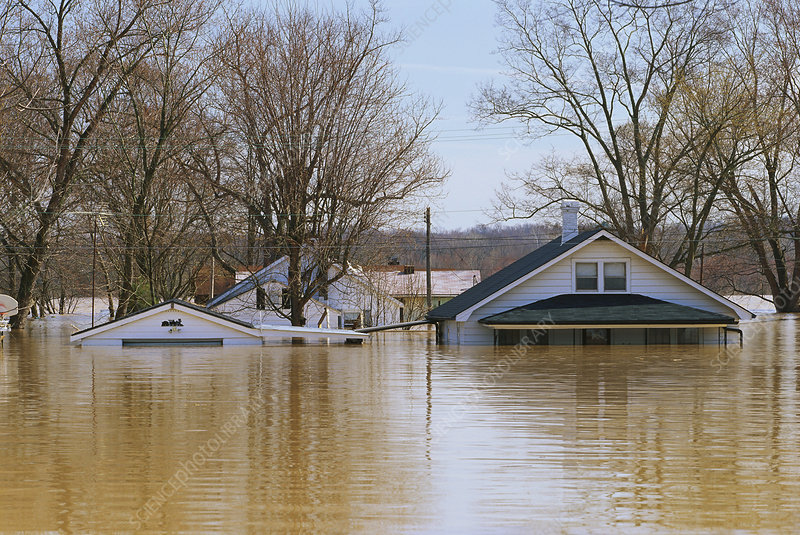
Here is a fact that surprises many homeowners: standard homeowners insurance policies do NOT cover flood damage. Not a single dollar. If a river overflows its banks, a storm surge inundates your neighborhood, or heavy rainfall overwhelms drainage systems and water enters your home, you are on your own — unless you have a separate flood insurance policy.
Flooding is the most common and costly natural disaster in the United States. Yet only about 15% of homeowners carry flood insurance. This guide explains everything you need to know to make an informed decision about flood coverage.
What Counts as a Flood?
For insurance purposes, a flood is defined as a general and temporary condition of partial or complete inundation of two or more acres of normally dry land, or two or more properties, from overflow of inland or tidal waters, unusual and rapid accumulation of surface waters, mudflow, or collapse of land along the shore of a lake or similar body of water.
Note: Water damage from a burst pipe or appliance malfunction is NOT a flood — that is covered under your homeowners policy. Flood insurance specifically covers water that originates from outside your home.
The National Flood Insurance Program (NFIP)
Most flood insurance in the United States is provided through the National Flood Insurance Program (NFIP), administered by FEMA. The NFIP was created in 1968 because private insurers largely refused to offer flood coverage due to the catastrophic and widespread nature of flood losses.
NFIP Coverage Limits
- Building coverage: Up to $250,000 for residential structures
- Contents coverage: Up to $100,000 for personal belongings
If your home is worth more than $250,000 or you have significant personal property, you will need to supplement NFIP coverage with a private excess flood insurance policy.
What NFIP Covers
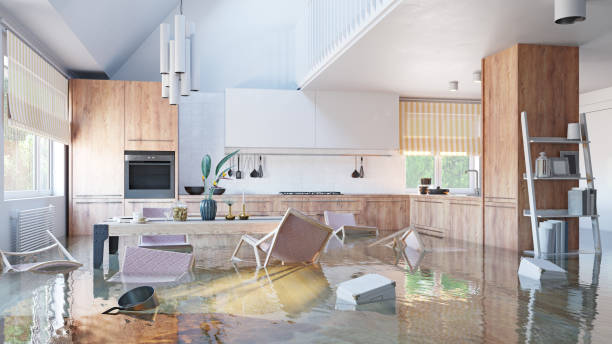
Building coverage includes: the building and its foundation, electrical and plumbing systems, HVAC equipment, built-in appliances, permanently installed carpeting and cabinets, and detached garages up to 10% of building coverage.
Contents coverage includes: clothing, furniture, electronic equipment, portable appliances, carpets not included in building coverage, clothing washers and dryers, food freezers and the food in them, and certain valuable items up to $2,500.
What NFIP Does NOT Cover
- Damage caused by moisture, mildew, or mold that could have been avoided
- Currency, precious metals, and valuable papers
- Property and belongings outside of an insured building such as decks, patios, fences, and landscaping
- Living expenses if you are temporarily displaced
- Financial losses caused by business interruption
- Cars and other self-propelled vehicles
Flood Zones and Risk Levels
FEMA designates flood zones based on risk level. Understanding your flood zone is critical.
High-Risk Zones (Special Flood Hazard Areas)
Zones beginning with A or V are high-risk areas with a 1% annual chance of flooding (also called the 100-year flood). If you have a federally backed mortgage and your property is in one of these zones, flood insurance is mandatory.
Moderate-to-Low Risk Zones
Zones B, C, and X have lower flood risk. Flood insurance is not required here, but it is still available and often recommended. Importantly, about 25% of all flood insurance claims come from properties outside high-risk flood zones.
How Much Does Flood Insurance Cost?
NFIP premiums are calculated based on your property flood zone designation, the age and construction type of your building, your building elevation relative to the Base Flood Elevation, the amount of coverage you choose, and your deductible. Under FEMA Risk Rating 2.0, average NFIP premiums range from approximately $700 to $1,500 per year for residential properties, though properties in high-risk zones can pay significantly more.
Private Flood Insurance: An Alternative to NFIP
The private flood insurance market has grown significantly in recent years. Private policies can offer advantages over NFIP including higher coverage limits with no $250,000 cap, replacement cost coverage instead of actual cash value, additional living expenses for temporary housing, shorter waiting periods, and competitive pricing for lower-risk properties.
The 30-Day Waiting Period
One of the most important things to know about NFIP flood insurance: there is a 30-day waiting period before coverage takes effect. You cannot buy flood insurance when a storm is approaching and expect to be covered. Plan ahead. Exceptions include purchasing flood insurance as a condition of a loan or during a map revision that places your property in a higher-risk zone.
Flood Mitigation Strategies
Beyond insurance, there are steps you can take to reduce flood risk and potentially lower your premiums:
- Elevate your home — Raising your home above the Base Flood Elevation can dramatically reduce premiums
- Install flood vents — Allows water to flow through rather than build up pressure against walls
- Waterproof your basement — Seal walls and install a sump pump with battery backup
- Grade your yard away from the foundation — Directs water away from your home
- Install check valves — Prevents sewage from backing up into your home during floods
- Elevate utilities — Move electrical panels, HVAC, and water heaters above flood level
Elevation Certificates
An Elevation Certificate is an official document that records your building elevation relative to the Base Flood Elevation. Having one can help you determine your accurate flood insurance premium, appeal your flood zone designation, and demonstrate that your property is lower risk than the flood map suggests. Getting an Elevation Certificate from a licensed surveyor typically costs $300–$600 and can result in significant premium savings.
Do not wait for a flood warning to think about flood insurance. The 30-day waiting period means that by the time you see the storm on the radar, it is already too late.
Is Flood Insurance Right for You?
Even if you are not in a high-risk flood zone, consider whether your property is in a low-lying area or near a body of water, whether your neighborhood has experienced flooding in the past, and whether you could afford to repair or replace your home without insurance assistance. For most homeowners, the relatively modest annual premium is well worth the peace of mind and financial protection.
Reach out today to discuss your flood risk and get connected with flood insurance specialists who can help you find the right coverage at the best price.