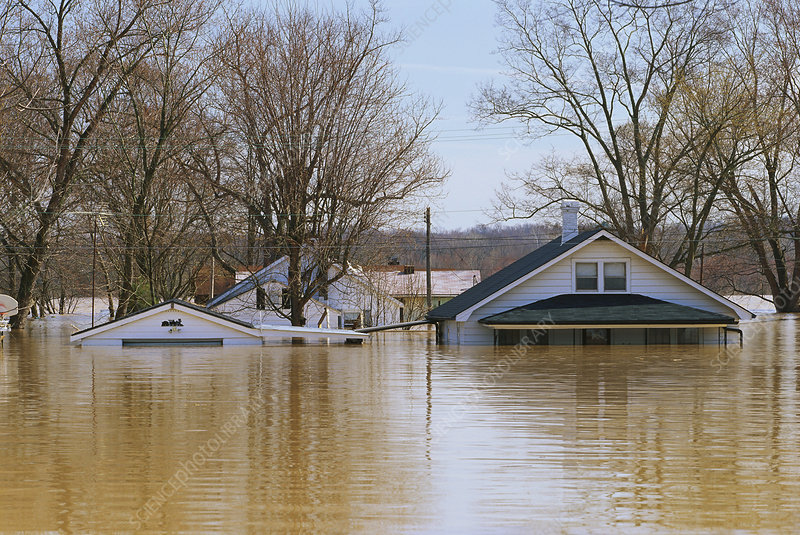
The Earthquake Coverage Gap
Like flood damage, earthquake damage is specifically excluded from standard homeowners insurance policies. If an earthquake strikes and damages your home, your standard policy will not pay a single dollar toward repairs — unless you have a separate earthquake insurance policy or endorsement.
For homeowners in seismically active regions — California, the Pacific Northwest, Alaska, the New Madrid Seismic Zone in the central US, and parts of the East Coast — earthquake insurance is a critical financial protection that deserves serious consideration.
How Earthquake Insurance Works
Earthquake insurance is typically sold as a separate policy or as an endorsement added to your homeowners policy. It covers damage caused directly by an earthquake, including structural damage to your home, damage to personal property inside your home, and additional living expenses if your home is uninhabitable.
Coverage is triggered by ground shaking from a seismic event. Damage from fires or floods that occur as a result of an earthquake may be covered under your standard homeowners or flood policy, depending on the cause.
What Earthquake Insurance Covers
Dwelling Coverage
This is the core of earthquake insurance. It covers the cost to repair or rebuild your home structure after earthquake damage, including foundation cracks and damage, structural wall damage, roof damage caused by ground movement, chimney collapse, and damage to attached structures.
Personal Property Coverage
Covers your belongings damaged by the earthquake, such as furniture and electronics, clothing and personal items, appliances, and dishes, glassware, and collectibles subject to sublimits.
Loss of Use and Additional Living Expenses
If your home is too damaged to live in after an earthquake, this coverage pays for temporary housing, meals, and other living expenses while repairs are made.
Emergency Repairs
Some policies include coverage for emergency repairs needed immediately after an earthquake to prevent further damage — such as boarding up broken windows or shoring up a damaged wall.
What Earthquake Insurance Does NOT Cover
- Vehicles — Covered under comprehensive auto insurance
- Land — Damage to the land itself such as sinkholes and landslides is typically excluded
- Masonry fences and swimming pools — Often excluded or subject to sublimits
- Pre-existing damage — Damage that existed before the earthquake
- Flood damage — Even if caused by an earthquake-triggered tsunami (requires flood insurance)
- Business property — Requires separate commercial coverage
Understanding Earthquake Insurance Deductibles
Earthquake insurance deductibles work differently from standard homeowners insurance. Instead of a flat dollar amount, earthquake deductibles are typically expressed as a percentage of your coverage limit — usually 10–25%.
This means if your home is insured for $400,000 and your deductible is 15%, you would pay the first $60,000 in earthquake damage out of pocket before insurance kicks in. This is a significant amount, and it is important to understand this before purchasing a policy. Higher deductibles result in lower premiums. Lower deductibles mean higher premiums but less out-of-pocket exposure after a major event.
How Much Does Earthquake Insurance Cost?
Earthquake insurance premiums vary enormously based on location and proximity to fault lines, soil type, home construction type, age of home, and coverage amount and deductible. In low-risk areas, earthquake insurance can cost as little as $100–$300 per year. In high-risk areas like coastal California, premiums can range from $800 to $5,000 or more per year for a typical home.
The California Earthquake Authority (CEA)
In California — the state with the highest earthquake risk — the California Earthquake Authority (CEA) is the largest provider of residential earthquake insurance in the world. The CEA offers several policy options including Homeowners Choice with comprehensive coverage and flexible deductibles, Renters Choice for personal property and loss of use coverage, Condo Choice for condominium unit owners, and Mobilehome Choice for manufactured home owners.
Retrofitting: Reducing Risk and Lowering Premiums
Seismic retrofitting involves strengthening your home structure to better withstand earthquake forces. Common retrofitting measures include:
Cripple Wall Bracing
Many older homes have short wood-framed walls (cripple walls) between the foundation and the first floor. Bracing these walls with plywood sheathing is one of the most effective and affordable retrofits.
Bolting the House to the Foundation
Older homes may not be properly anchored to their foundations. Adding anchor bolts prevents the house from sliding off the foundation during shaking.
Soft-Story Retrofitting
Buildings with a soft story — typically a ground-floor garage or open commercial space beneath residential units — are particularly vulnerable. Soft-story retrofitting adds steel moment frames or shear walls to strengthen the weak level. Retrofitting can reduce earthquake insurance premiums by 5–25% and significantly reduce the likelihood of catastrophic damage.
Do You Need Earthquake Insurance?
You probably need it if you live in a high-seismic-risk area, your home is older and not built to modern seismic codes, your home is built on soft soil or near a fault line, you could not afford to repair or rebuild your home without insurance assistance, or your home is your primary financial asset.
You might skip it if you live in a very low seismic risk area, your home is newer construction built to current seismic codes, you have substantial liquid assets to cover potential repairs, or the premium is very high relative to your perceived risk.
Filing an Earthquake Insurance Claim
After an earthquake, follow these steps to protect your claim:
- Ensure safety first — Check for gas leaks, structural damage, and hazards before re-entering
- Document all damage immediately — Photograph and video everything before any cleanup
- Make emergency repairs only — Prevent further damage but do not make permanent repairs before the adjuster visits
- Contact your insurer promptly — Report the claim as soon as possible
- Keep all receipts — For emergency repairs, temporary housing, and related expenses
- Get independent estimates — Do not rely solely on the insurer adjuster; get your own contractor estimates
An earthquake does not give you warning. The time to buy earthquake insurance is before the ground starts shaking — not after.
Protecting Your Property Starts Today
Earthquake insurance is one of those coverages that feels unnecessary — until the moment you desperately need it. For homeowners in seismically active regions, the question is not whether an earthquake will happen, but when.
Browse our curated selection of trusted earthquake insurance providers to compare policies, deductibles, and coverage options — and connect directly with the specialists best suited to your property, region, and risk profile.